He stocked shelves at a gas station in Inglewood. That was the starting point.
Christian De Leon did not come from money. No family in real estate. No trust fund. No network handing him deals. He was hauling boxes and stocking shelves at a gas station in Inglewood — the kind of work that tells you exactly what your options are if you don't build something different.
That environment made the decision for him. He wasn't going to stock someone else's shelves forever. He chose real estate — not because he knew anything about it, but because he understood it was where wealth actually moved. And he was willing to learn everything from scratch to get there.
Agent first. Loan officer second. Operator third.
Christian got his real estate license and started learning deals from the inside. How they were structured, what moved them, what killed them. He then crossed over into lending — becoming a licensed loan officer — so he could understand money the way most investors never do.
Most people in real estate know one side. Christian built fluency in both. He understood how a deal looked from the buy side, the sell side, and the capital side at the same time. That combination became the foundation of everything he built later.
"Most investors don't understand money. Most lenders don't understand deals. I made sure I understood both before I ever touched one with my own capital."
Christian De Leon
A JV partner walked. A contractor ran the bill up. He stayed.
Early on, Christian partnered on a deal in Hawthorne. The joint-venture partner disappeared mid-deal. No warning. No conversation. Just gone — and Christian was left holding the liability alone. That was the first lesson in what it costs to build on a foundation you don't fully control.
The second loss came from a contractor who ran change orders that erased the margin on a flip entirely. Work that was agreed to at one number came back at another — and there was no recourse, no in-house accountability, no way to stop the bleed.
These aren't war stories. They're the exact architecture of why PCN is built the way it is. Every failure had a fix. He just had to build it himself.
Three points of failure. Three things he brought in-house.
After getting burned twice — once on capital, once on construction — Christian identified the three variables that destroy most real estate deals: bad money partners, bad contractors, and bad deal flow. He eliminated all three by building the infrastructure himself.
Christian is the loan officer. Capital decisions are made inside the network, not outsourced to a third-party lender with no stake in the outcome. Members don't wait weeks for approvals — and they don't lose deals to slow money.
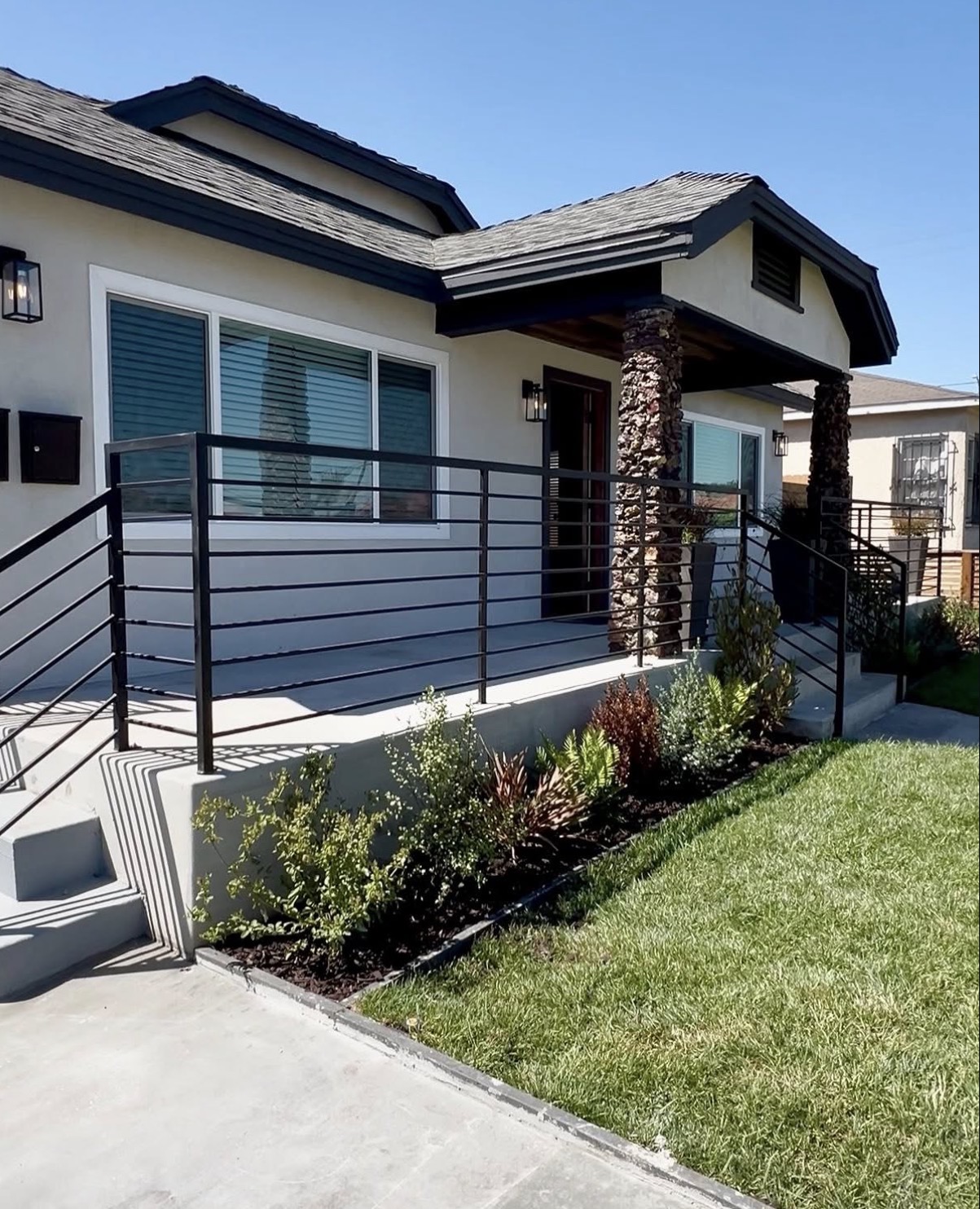
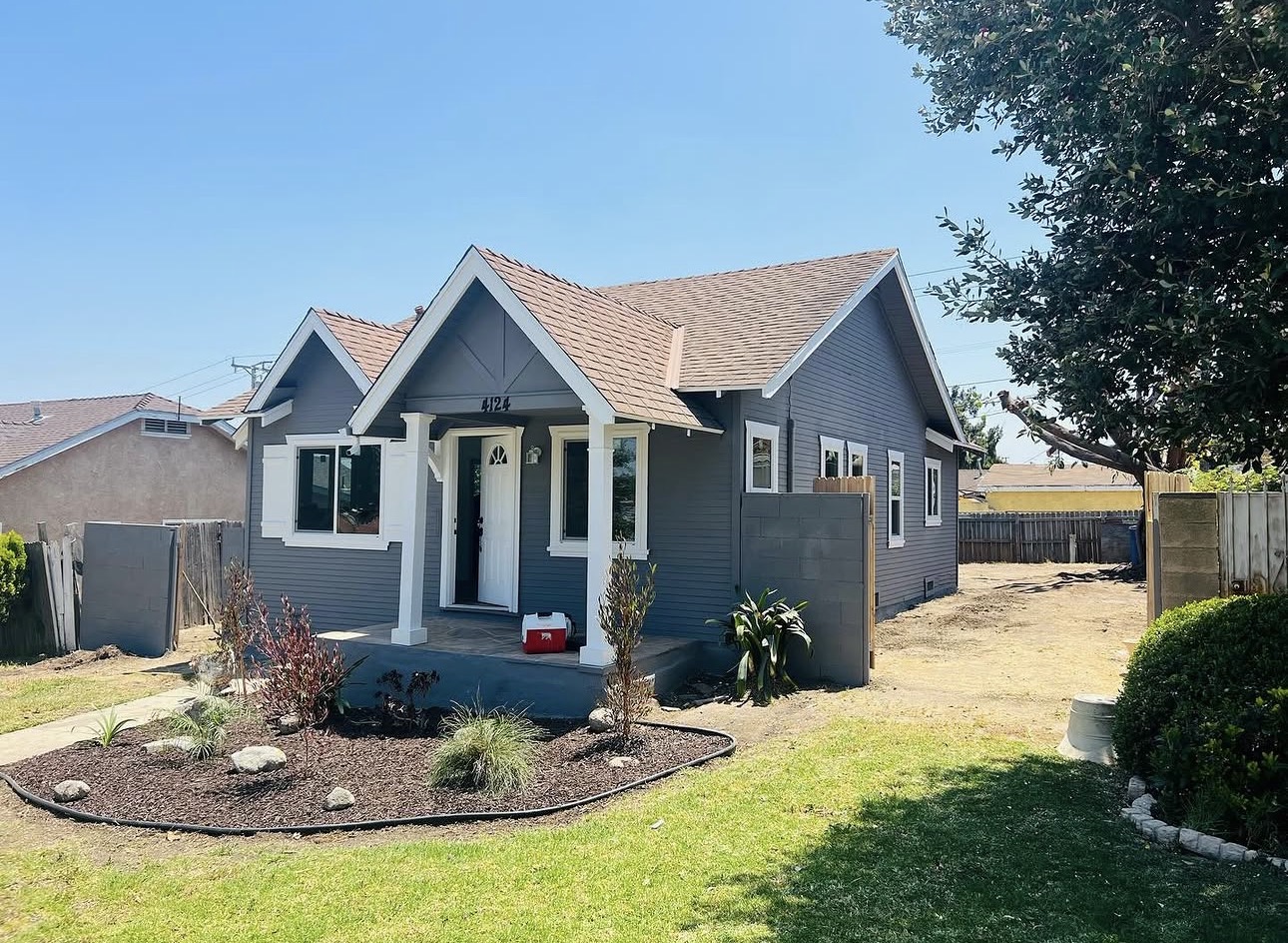
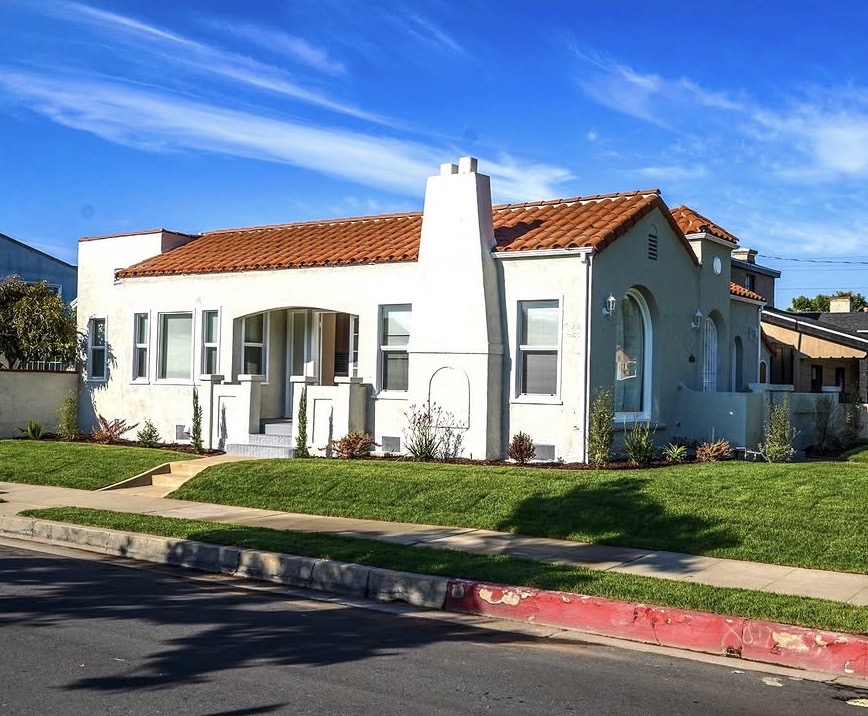
No more contractor change order surprises. PCN operates its own construction arm — which means rehab costs are underwritten the same way deals are. Scope, timeline, and budget are controlled by the network, not a third party with no accountability.
Every deal in the network was sourced off-market. No MLS competition, no bidding wars, no retail pricing. Members get access to a pipeline that has been built over two decades of relationships — deals that never become public listings.
150+ transactions. $47M in member deals. Still underwriting every one personally.
Private Capital Network is the infrastructure Christian built for himself — opened to a small group of operators who are serious enough to use it. He still acts as loan officer on network transactions. He still reviews every application personally. He still analyzes every deal before it goes to members.
Members include active investors scaling to 20+ doors, business owners putting cash flow to work in real estate for the first time, and homeowners who converted equity into their first investment property. One member — a contractor with no prior portfolio — used his home equity to bridge into his first deal through the network. Eighteen months later: 50 doors.
The network works because the infrastructure is real. This is not a coaching program. It is not a course. It is a deal network with in-house capital and in-house construction — and Christian is still at the center of every deal that moves through it.